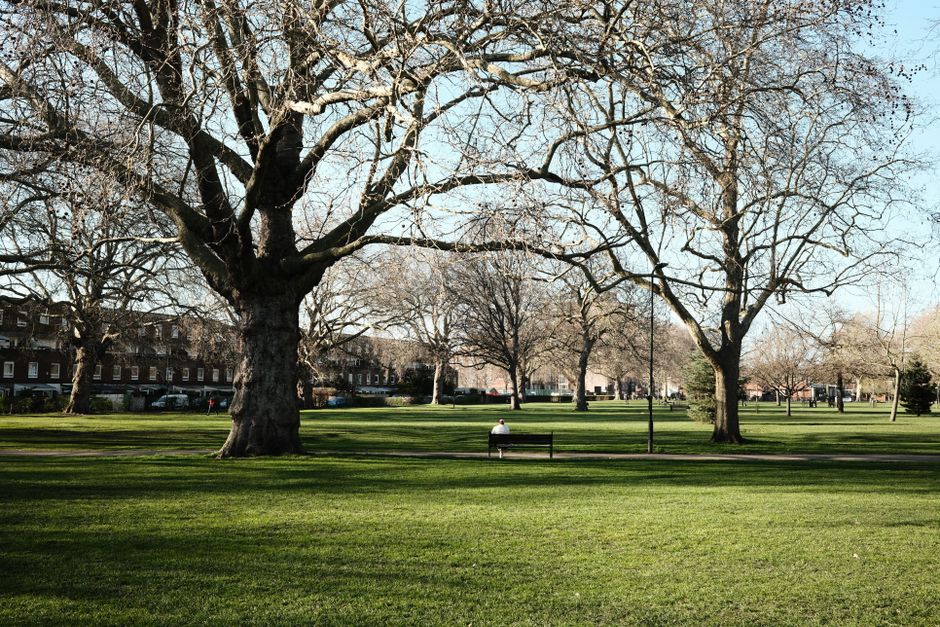
Lloyd Park garden move checklist for Walthamstow removals

If you are moving near Lloyd Park, the garden can be the bit that catches you out. Pots chip, compost spills, tools go missing, and suddenly the back gate feels half a size too narrow for a wheelbarrow, let alone a van-load of outdoor kit. This Lloyd Park garden move checklist for Walthamstow removals is here to make that part easier. It breaks the job into sensible steps, so you can protect plants, clear equipment, and move everything in a way that feels calm rather than chaotic.
Whether you are leaving a small terrace with a few patio pots or a family home with raised beds, sheds, furniture and a stubborn lawnmower, the same principle applies: plan early, sort carefully, and move in the right order. Truth be told, the garden often needs a different approach from the rest of the house.
Below, you will find a practical guide, a proper checklist, and a few local-minded tips for Walthamstow removals. If you are comparing services, you may also want to look at removals and man with van options that suit tighter residential streets and smaller outdoor loads.
Quick takeaway: a garden move goes smoothly when you sort what is staying, what is travelling, and what can be safely left behind well before moving day.
Why Lloyd Park garden move checklist for Walthamstow removals Matters
A garden move is not just about lifting and loading. It is about preventing damage, reducing waste, and avoiding that awkward moment when the moving day runs to schedule, but your outdoor tools and plants are still scattered across the patio. Around Lloyd Park and the wider Walthamstow area, gardens tend to be compact, well-used, and full of mixed items: decorative planters, bags of soil, trellis panels, herbs, kids' play bits, and all the little things that live outside until the day they suddenly need a home.
This matters because outdoor items are awkward by nature. They are often dirty, heavy, wet, or oddly shaped. A terracotta pot can break easily. A bag of compost can split at the worst possible moment. Garden furniture can snag on fence posts, and long-handled tools are easy to misplace if they are not bundled together properly. A checklist helps you turn all that into a sequence you can actually follow.
It also helps you avoid the common assumption that the garden can be dealt with at the end. In our experience, that is where delays creep in. You have the keys, the van is there, the kettle is packed somewhere, and you are still trying to untangle hosepipes. Not ideal. A good outdoor plan keeps the move moving.
For many Walthamstow homes, access is a real factor too. Narrow side passages, shared entrances, and on-street loading all make it worth planning the order in which you move outdoor items. If your route includes stairs, awkward turns, or a tight gate, think about that early. It saves effort and, honestly, a fair bit of muttering under your breath.
How Lloyd Park garden move checklist for Walthamstow removals Works
The process is simple in principle: divide the garden into categories, decide what goes where, and pack outdoor items so they travel safely. The checklist below works whether you are hiring a full team or handling part of the move yourself with a van. It is designed to help you make decisions in the right order rather than reacting on the morning of the move.
Start by separating three groups:
- Move with you: plants, tools, furniture, ornaments, and anything you want at the new place.
- Leave behind or dispose of: broken items, empty compost bags, dead plants, damaged pots, and old plant supports you no longer need.
- Deal with separately: fuel, chemicals, sharp tools, and anything that needs special handling.
Then work from the most fragile items down to the least fragile. Plants and glazed pots should be wrapped or boxed early. Tools can be grouped after that. Heavier items like tables, bench seats, and storage boxes can wait until the final loading phase. That order matters because it protects the vulnerable stuff before the van fills up with bulky pieces.
There is also a timing element. Garden soil is easier to move when it is dry. Wet compost is heavier, messier, and more likely to spill. If rain is forecast, you may want to cover items the night before or move them earlier in the day. A bit of common sense goes a long way here.
Key Benefits and Practical Advantages
A properly thought-out garden moving checklist gives you more than tidiness. It improves the whole move. The benefits show up in small, practical ways that people often only notice once they are already mid-move.
- Less damage: fragile plant pots, glass ornaments, and garden lights are easier to protect when they are packed in advance.
- Less waste: once you sort the garden properly, it is easier to recycle, donate, or dispose of unwanted items sensibly.
- Faster loading: outdoor gear is already grouped, labelled, and ready to go.
- Less stress: you are not making last-minute decisions about whether that rusty spade is staying or going.
- Cleaner move day: fewer muddy items, fewer loose screws, fewer random bits rolling around the van.
There is also a subtle advantage for the new home. A good move means you arrive with items organised, rather than with a van full of mixed garden clutter. That makes it easier to set up your outdoor space properly from day one. You can unpack, place, and breathe a bit easier.
To be fair, that first cup of tea on a new patio feels better when you are not stepping over an untidy pile of boxes and hose fittings.
Who This Is For and When It Makes Sense
This checklist is useful for anyone moving house in or around Walthamstow, but it is especially helpful if you have a garden, yard, courtyard, balcony, or shared outdoor space near Lloyd Park. It is also handy for renters, landlords, first-time buyers, and families who have gradually accumulated outdoor items over time. Garden stuff has a way of multiplying. One spade becomes five tools, and then somehow there is a watering can, three cracked plant pots, and a bag of mystery cables.
You will get the most value from this approach if:
- you have plants that matter to you and need careful handling;
- your outdoor space contains bulky items like benches, storage units, or BBQ equipment;
- you are moving from a narrow street or a property with limited access;
- you need help deciding what to keep, repair, donate, or discard;
- you want to avoid last-minute mess on moving day.
It also makes sense if you are using a moving van for part of the job and want to maximise each trip. A well-planned load is easier to stack, easier to protect, and less likely to turn into a jigsaw puzzle by the time you arrive. Nobody enjoys opening the back doors and seeing a rake wedged into a bird bath, let's put it that way.
Step-by-Step Guidance
Here is the practical part. If you work through these steps in order, the garden side of your move becomes much more manageable.
1. Walk the garden and make a quick inventory
Start with a slow look around. Note what is in the garden, shed, side return, and any balcony or front outdoor area. Take photos if that helps. You do not need a perfect spreadsheet, just a clear sense of what is staying, what is going, and what needs special handling.
A quick inventory is useful because people often forget small items. Plant labels, secateurs, hanging basket hooks, pot feet, and irrigation bits can be surprisingly easy to overlook.
2. Decide what will be moved first
Prioritise anything delicate or living. Plants should be at the top of your list, especially if they are established, sentimental, or expensive to replace. If you are taking cuttings, seedlings, or potted herbs, plan those separately so they do not get buried under heavier items.
Then move on to fragile decor. Ceramic pots, bird feeders, solar lights, and decorative features need their own protection. After that, group tools, furniture, and other sturdy items.
3. Prepare plants properly
Plants deserve a little care before a move. Water them lightly the day before if needed, but avoid soaking them. Remove dead leaves, check for pests, and secure tall stems with soft ties. For small pots, box them with packing paper or towels around the base so they do not tip over. For larger containers, lift them carefully and avoid dragging them across hard surfaces.
If a plant is too large or awkward to move in one piece, decide whether it can be pruned, divided, or transported separately. Sometimes the sensible move is not the dramatic one. A slightly smaller plant in better condition is better than a stressed one with snapped stems.
4. Drain and clean outdoor equipment
Empty watering cans, hose reels, and any containers that might leak. Clean mud from tools, wipe down furniture where practical, and coil cords or hoses neatly. It sounds minor, but the difference between a clean item and a muddy one is huge when it comes to packing and unloading.
If you have a pressure washer, lawnmower, or any powered outdoor equipment, check the manufacturer guidance before moving. Fuel and battery handling should be planned carefully, and if something needs special preparation, do not leave that task until the final hour.
5. Sort disposal and recycling early
It is worth separating waste before moving day. Broken pots, old compost bags, rusty fixings, and damaged plastic trays are often better dealt with before the van arrives. If you are reducing clutter, look at whether items can be reused, donated, or recycled rather than simply dumped with the rest.
Some garden items are not worth paying to move. Be honest with yourself. That old cracked planter that has lived behind the shed for six years? Maybe it has had a good run.
6. Protect furniture and hard landscaping pieces
Garden tables, chairs, benches, and planters should be wrapped or covered to reduce scuffs. Keep bolts, cushions, and removable parts together in labelled bags. If you are moving a heavy item like a stone planter or a disassembled pergola section, make sure you have the right help and lifting plan. One strained back is enough for anybody.
For items with sharp edges or glass panels, add an extra layer of padding and load them last if possible so they are not crushed.
7. Pack tools in a safe, logical way
Group tools by type and size. Long-handled tools can be tied together. Smaller hand tools can go into a box or bucket so they do not rattle about. Keep sharp tools covered. It is such a small thing, but a pair of secateurs loose in a box can turn into a nasty surprise later on.
8. Plan the loading order
Put sturdy, less fragile items at the bottom and place lighter, delicate items on top. Plants should usually travel where they will not be crushed, and anything likely to leak should be sealed properly. If the van is shared with indoor furniture, keep garden items separated where possible so soil, water, and grit do not transfer to soft furnishings.
If you have help from a local team, tell them what needs careful handling before loading starts. Clear communication saves time and avoids guesswork.
9. Do a final sweep of the garden and shed
Before you leave, check under benches, behind pots, inside storage boxes, and in the shed corners. People always leave one item behind. Always. Often it is something useful, too. A hose connector. A hammer. A packet of seeds you meant to plant.
That final sweep is worth the extra five minutes.
Expert Tips for Better Results
These are the small moves that make the bigger move easier. None of them are complicated, but they add up fast.
- Use colour coding: a coloured sticker on each box or pot can help you spot what needs gentle handling.
- Keep a separate "first day" box: include gloves, basic tools, plant food, secateurs, a watering can, and anything needed to settle the garden at the new place.
- Take measurements: if a bench, shed panel, or large planter barely fits through the gate now, measure it before moving day.
- Move plants before the hottest or wettest part of the day: early morning is usually kinder to them and to you.
- Wrap clay or terracotta pieces individually: they chip easily, and once chipped, they tend to keep going.
One thing that people overlook is the emotional side. If you have looked after a plant for years, it can feel oddly stressful to move it. That is normal. Give yourself a bit of space and make a plan for the living things first. It keeps the day feeling more humane, if that makes sense.
Also, if you are booking help, ask whether the movers are used to residential access and garden items. The best teams will know how to handle awkward paths, mixed loads, and tight loading windows without making the day feel rushed.
Common Mistakes to Avoid
Even a simple garden move can unravel if a few easy mistakes creep in. The usual suspects are predictable, but they catch people out all the time.
- Leaving outdoor sorting until the last day: this creates unnecessary stress and usually means more clutter gets moved than necessary.
- Putting wet items straight into boxes: moisture leads to mould, mess, and heavier loads.
- Forgetting to label plant pots and accessories: once everything is in the van, similar-looking containers blur together.
- Moving fuel or chemical products carelessly: some items need special handling and should not just be packed with the rest.
- Underestimating access: a narrow gate or uneven path can change the whole loading plan.
Another common error is trying to save time by overfilling boxes. That works right up until the box splits. Then you are on your knees at the doorway, collecting screws out of the gravel. Not the vibe.
And there is the sentimental trap: moving too much. A move is a good moment to be selective. You do not need to take every broken tray and half-dead pot with you just because it has always been there.
Tools, Resources and Recommendations
You do not need specialist kit to move a garden well, but a few basic tools make life easier.
| Item | Why it helps | Best used for |
|---|---|---|
| Strong boxes or crates | Keep loose items together and upright | Small tools, labels, fittings, accessories |
| Bubble wrap or packing paper | Protects fragile pots and ornaments | Ceramic containers, glass decor, delicate items |
| Soft ties or garden twine | Secures stems, canes, and tools | Plants, long-handled tools, bundles |
| Heavy-duty bags | Useful for compost, waste, and small loose items | Garden waste and non-fragile clutter |
| Labels and marker pens | Makes unpacking faster and safer | Boxes, plant groups, priority items |
| Gloves and a small hand trolley | Helps with grip and safer lifting | Heavy or awkward outdoor items |
If you are also packing the house, a service such as packing and unpacking services can take pressure off the day, especially if your garden items are only one part of a bigger move. And if you are disposing of anything bulky from the outdoor area, furniture pick up may be useful for items that are too damaged or awkward to keep.
For a broader overview of how local moves are handled, the company's about us page gives helpful context about the service approach, while pricing and quotes is a sensible place to start if you are trying to plan a realistic budget. No one likes nasty surprises, least of all on moving week.
Law, Compliance, Standards, or Best Practice
Garden moves do not usually involve complex legal issues, but a few practical standards still matter. For example, sharp tools should be packed safely, fuel and chemical products should be handled with care, and waste should be separated responsibly. That is not just about being tidy. It is about safety for you, the movers, and anyone helping on the day.
Where battery-powered tools are involved, it is wise to follow the manufacturer's guidance for transport and storage. If you are unsure about a particular item, do not guess. Check it before the move. That applies to lawnmowers, trimmers, chargers, and any stored fuels or garden treatments.
Best practice also means being honest about what can be lifted safely. Heavy stone planters, large compost bags, or awkward outdoor furniture may need two people, the right equipment, or both. If you are using a professional service, it is sensible to raise these items in advance so the team can plan properly.
For service standards, many people also look for clear policies around safety, payment, and accountability. Pages such as health and safety policy, insurance and safety, and terms and conditions are useful if you want to understand how a removals provider handles risk and expectations. It is a sensible habit, not overthinking. There's a difference.
Options, Methods, or Comparison Table
There is more than one way to handle a garden move. The right method depends on how much you have, how fragile it is, and how much time you want to spend doing it yourself.
| Method | Best for | Pros | Trade-offs |
|---|---|---|---|
| Do-it-yourself with a small van | Light to medium outdoor loads | Flexible, usually cost-conscious, good for short local moves | More lifting, more packing work, higher risk of missed items |
| Man and van support | Mixed household and garden loads | Practical for tight streets and smaller loads, less stress | May still require some packing and sorting from you |
| Full removals service | Larger homes, heavy outdoor furniture, complex access | More hands, better coordination, less handling by you | Usually involves more planning and a wider service scope |
If you are moving from a property where the garden is only one part of a bigger job, a fuller package can save a lot of back-and-forth. If it is mostly a few pots, tools, and a bench, a lighter approach may be enough. The key is matching the service to the load instead of assuming one size fits all.
Case Study or Real-World Example
Here is a realistic example. A couple moving from near Lloyd Park had a modest back garden: six medium pots, a narrow bench, a small shed, a hose reel, garden tools, and a few bags of old compost. On paper, nothing dramatic. In practice, it was the items that nearly caused delays.
They started three days ahead. First came the sort-out: broken pots into waste, useful items into keep piles, and a few tools into a separate box. On the morning of the move, the plants were packed early, the bench was wrapped, and the shed contents were grouped by type. Because the garden items had been handled first, the moving team did not need to stop and wait for decisions. It just flowed.
The biggest win was simple: they had measured the bench and checked the gate width in advance. That meant no awkward turning, no scratched paintwork, and no surprise reshuffling in the driveway. A small detail, but one that saved time and nerves. By the end of the day, the new garden had shape, not clutter.
That kind of result is not magic. It comes from doing the unglamorous bits properly. A checklist does that for you.
Practical Checklist
Use this section as your moving-week garden checklist. If you want, print it out or copy it into your notes app.
- Walk through the garden, shed, and any outdoor storage area.
- Separate items into keep, move, donate, recycle, and dispose categories.
- Check which plants need watering, pruning, or extra protection.
- Gather boxes, labels, tape, padding, twine, and gloves.
- Empty and clean watering cans, hoses, buckets, and containers.
- Pack small tools together and cover any sharp edges.
- Wrap fragile pots, ornaments, and lights individually.
- Remove or safely store fuel, chemicals, and batteries according to guidance.
- Measure bulky furniture, planters, or awkward items before moving day.
- Decide which items should go on the van first and which should be loaded last.
- Keep a first-day box for gardening essentials at the new home.
- Do a final sweep of the shed, borders, corners, and behind larger items.
- Check the route from garden to van for narrow gates, steps, wet ground, or trip hazards.
- Confirm the disposal plan for anything that is not coming with you.
- Relax for a minute once the garden is clear. You earned that, honestly.
Practical summary: if you sort the garden early, pack living things carefully, and keep waste separate, you will cut stress and reduce the chance of breakages on moving day.
If you are still weighing up the best move setup, it can also help to compare broader house-move support with home moves and house removals options, especially where the garden is part of a larger relocation.
Conclusion
A well-planned Lloyd Park garden move checklist for Walthamstow removals is less about perfection and more about momentum. Once the outdoor space is broken down into sensible groups, the whole process becomes lighter in your head and easier in your hands. That is the real win. You move the fragile things safely, keep the useful things organised, and avoid the messy scramble that so often happens when the garden is left to the last minute.
Whether you are moving a few potted herbs or an entire patch of outdoor living, the same rule applies: prepare early, protect carefully, and keep the flow simple. It makes the day easier, and the new place starts off feeling more like home, which is what you want really.
Get a free quote today and see how much you can save.
And if all you manage today is a small box of tools and a couple of sorted pots, that still counts. Small wins stack up.
Frequently Asked Questions
What should I pack first when moving a garden in Walthamstow?
Start with fragile and living items: plants, small pots, ornaments, and anything that can be damaged easily. After that, move to tools and sturdier furniture. This order protects the delicate items before the van fills up.
How do I move plants without damaging them?
Water them lightly beforehand, secure stems, remove dead leaves, and pack small pots so they do not tip over. Larger plants may need extra support or pruning. Keep them away from heavy items during transport.
Can I put garden tools in the same box as other household items?
It is better not to, especially if the tools are sharp, dirty, or awkwardly shaped. Keep them grouped together in a clearly labelled box or bundle so they are easy to find and safer to handle.
What garden items are not worth taking to a new home?
Broken pots, damaged furniture, empty bags, rusty fixings, and anything you have not used in years may be better recycled or discarded. A move is a good chance to reduce clutter rather than transport it all.
How far in advance should I start the garden move checklist?
Ideally, begin a few days before moving day. That gives you time to sort waste, prepare plants, gather packing materials, and deal with anything awkward without rushing at the end.
Do I need a van for a small garden move?
If you only have a few small items, a compact vehicle may be enough. If you have furniture, heavy planters, or multiple boxes of tools, a van is usually more practical. The right choice depends on volume and access.
How do I handle garden waste during a move?
Separate waste early. Keep broken pots, old compost, and damaged materials apart from items you want to keep. If something is too bulky or unsuitable to move, arrange disposal before the day if possible.
Are there special safety concerns with moving outdoor equipment?
Yes. Sharp tools should be covered or wrapped, and fuel, batteries, or chemical products should be handled carefully. Follow the item manufacturer's guidance where relevant, and do not mix risky materials with general boxes.
What if my garden has tight access or a narrow gate?
Measure the route early and plan the loading order around it. Narrow access can affect what can be moved in one piece, and it may change whether an item needs to be dismantled first.
Should I hire professionals for garden items or do it myself?
That depends on the size and complexity of the load. Small moves can often be managed yourself, but larger, heavier, or more awkward items are easier with help. A local removals team can also be useful for access planning and lifting.
How do I make sure I do not forget anything in the shed?
Do one final sweep of shelves, corners, under benches, and behind larger items. It helps to check the shed twice: once before loading and once after. Small items love to hide. They really do.
What should I do on the first day at the new house?
Unpack the basics first: tools, gloves, watering can, and any plants that need immediate care. Then place larger items and decide where the rest should live. A calm first-day setup makes the whole garden feel more settled.